The New Car: Mini Countryman

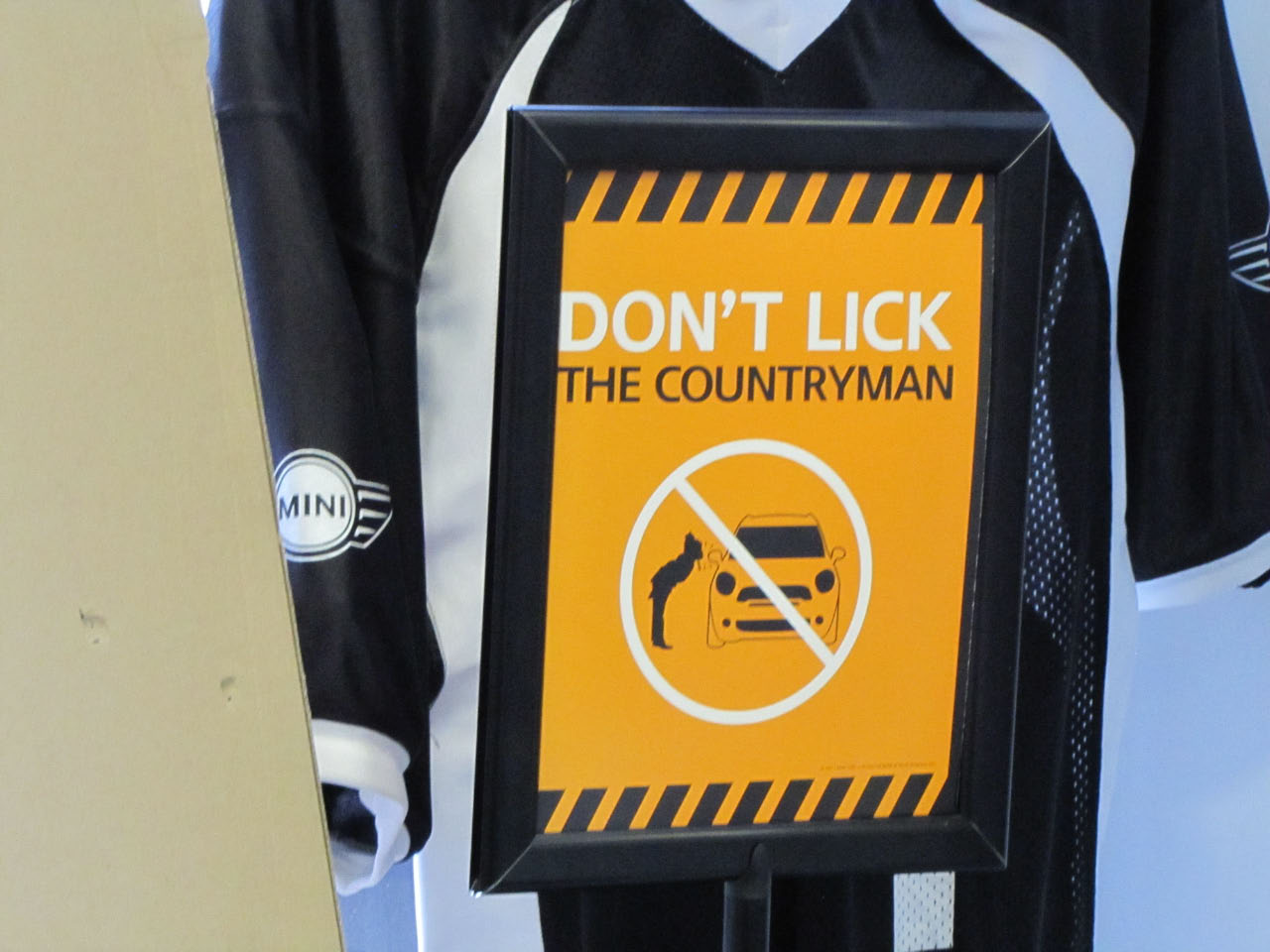
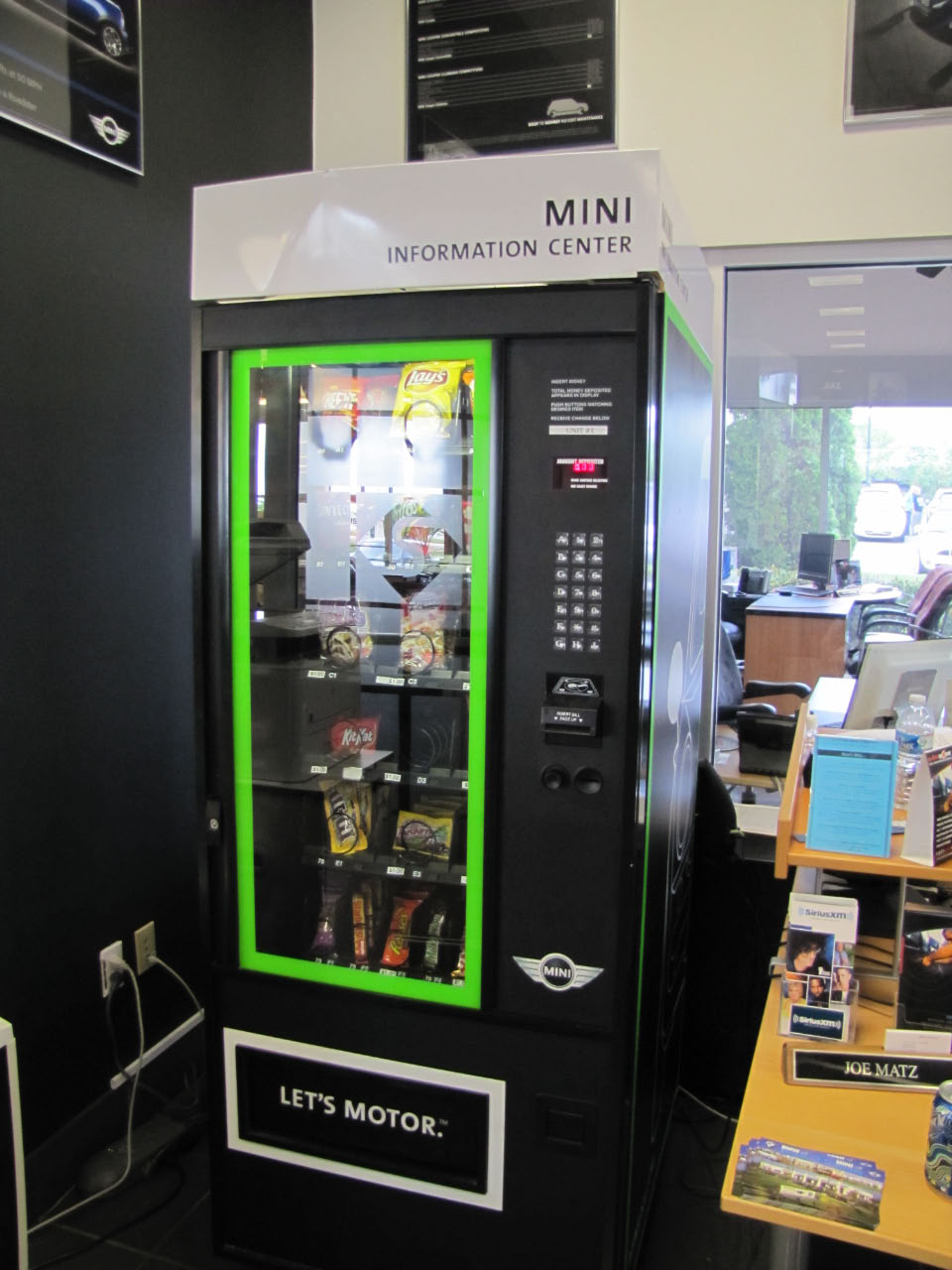
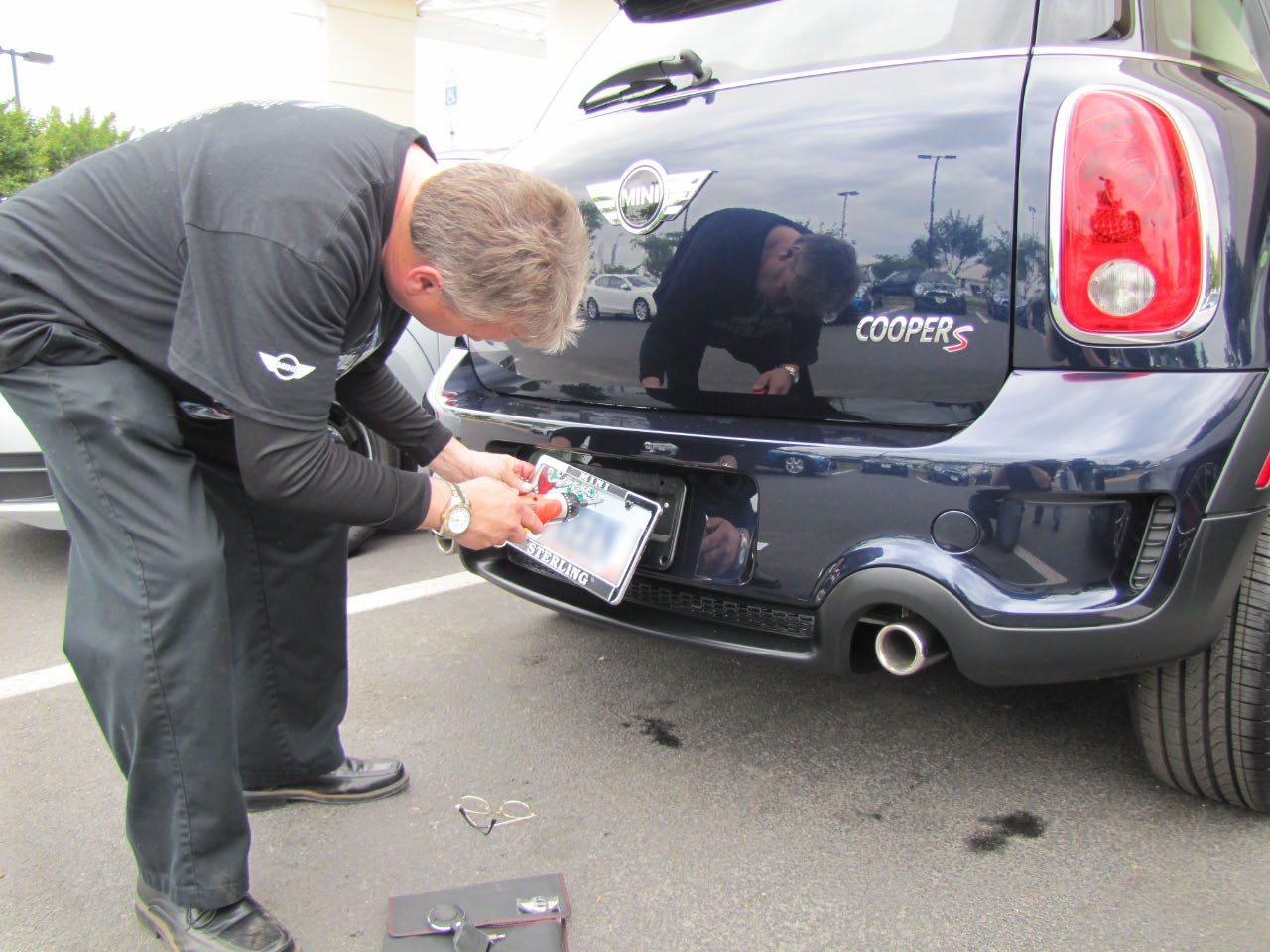
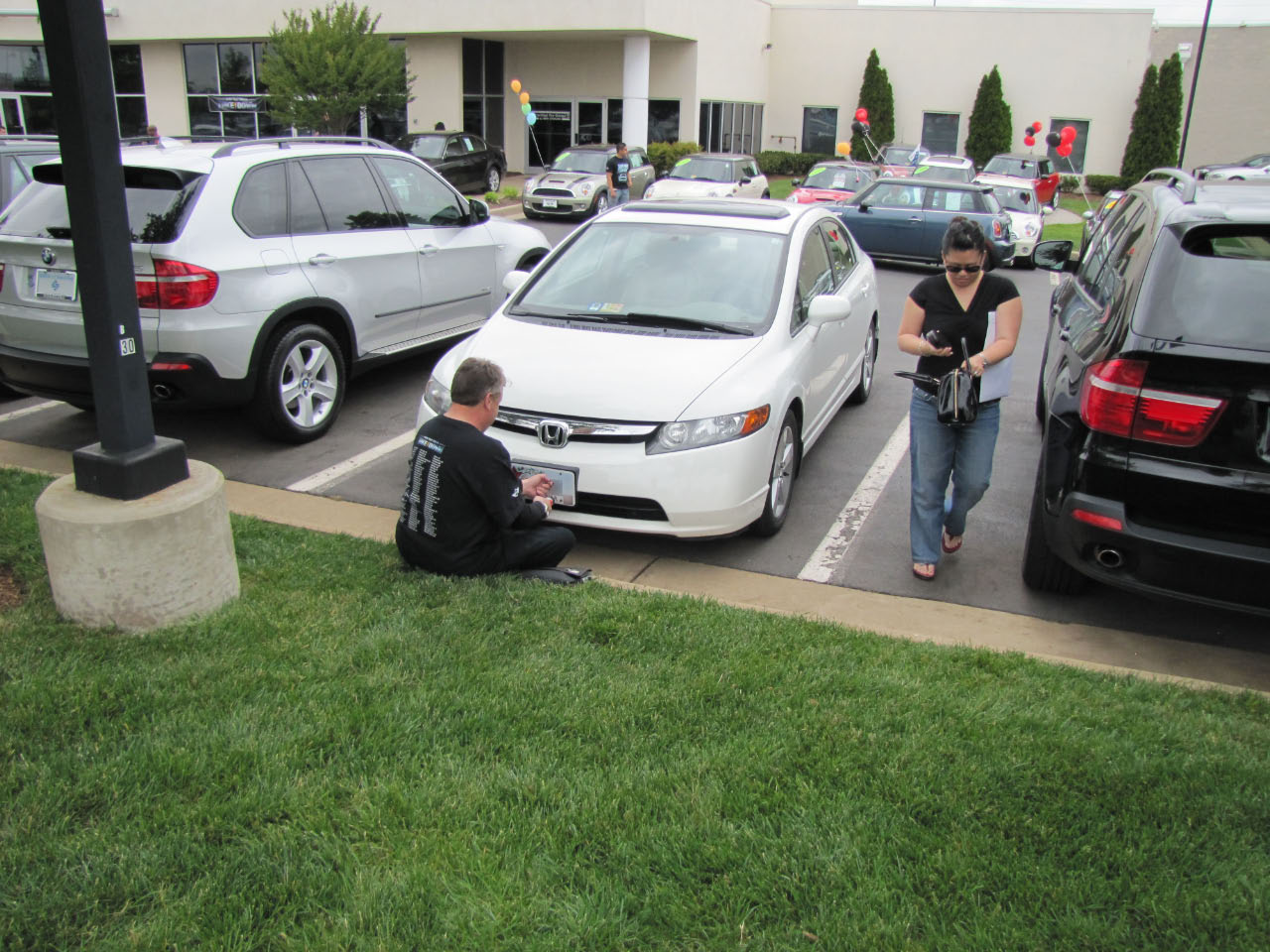
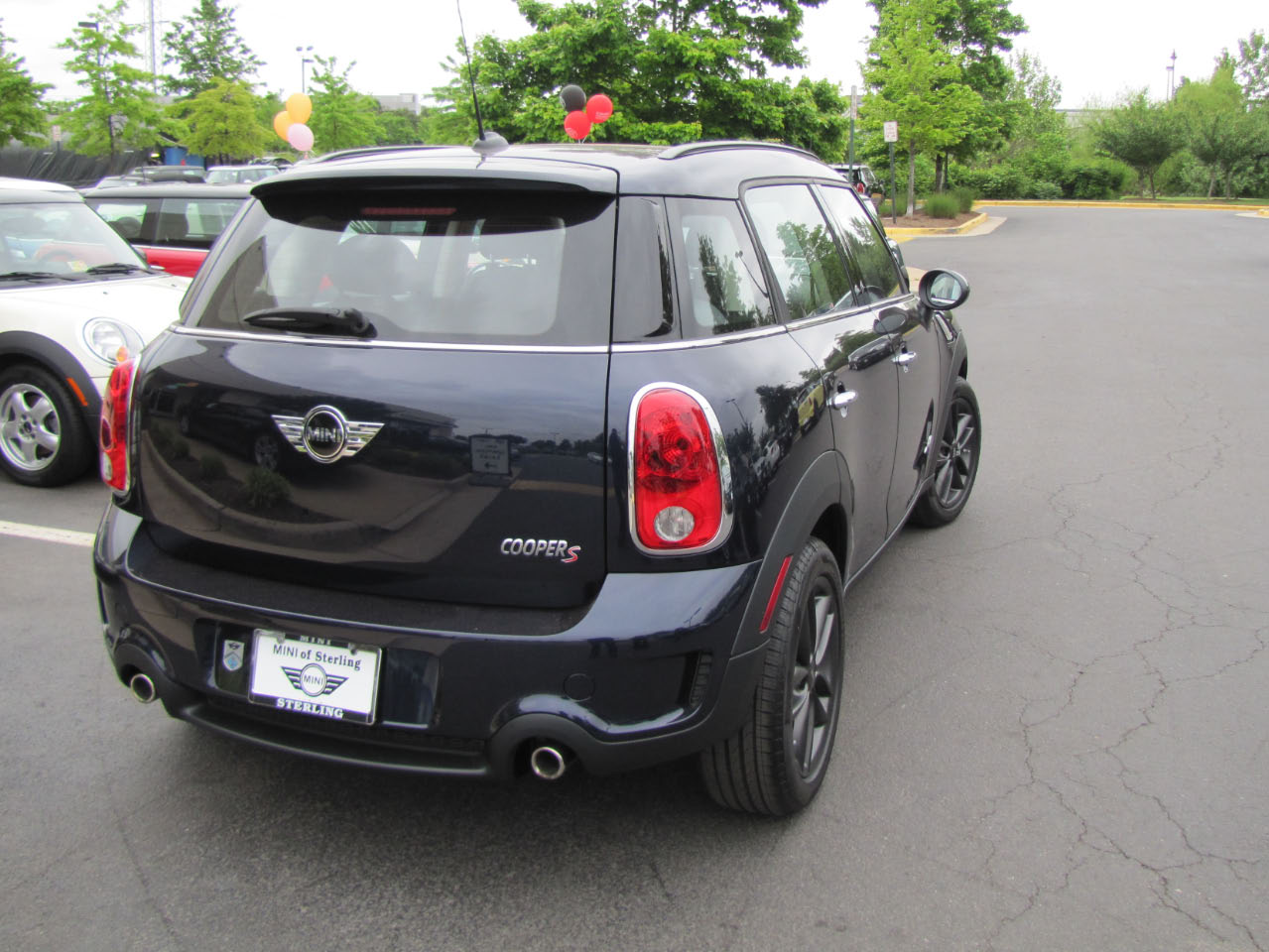
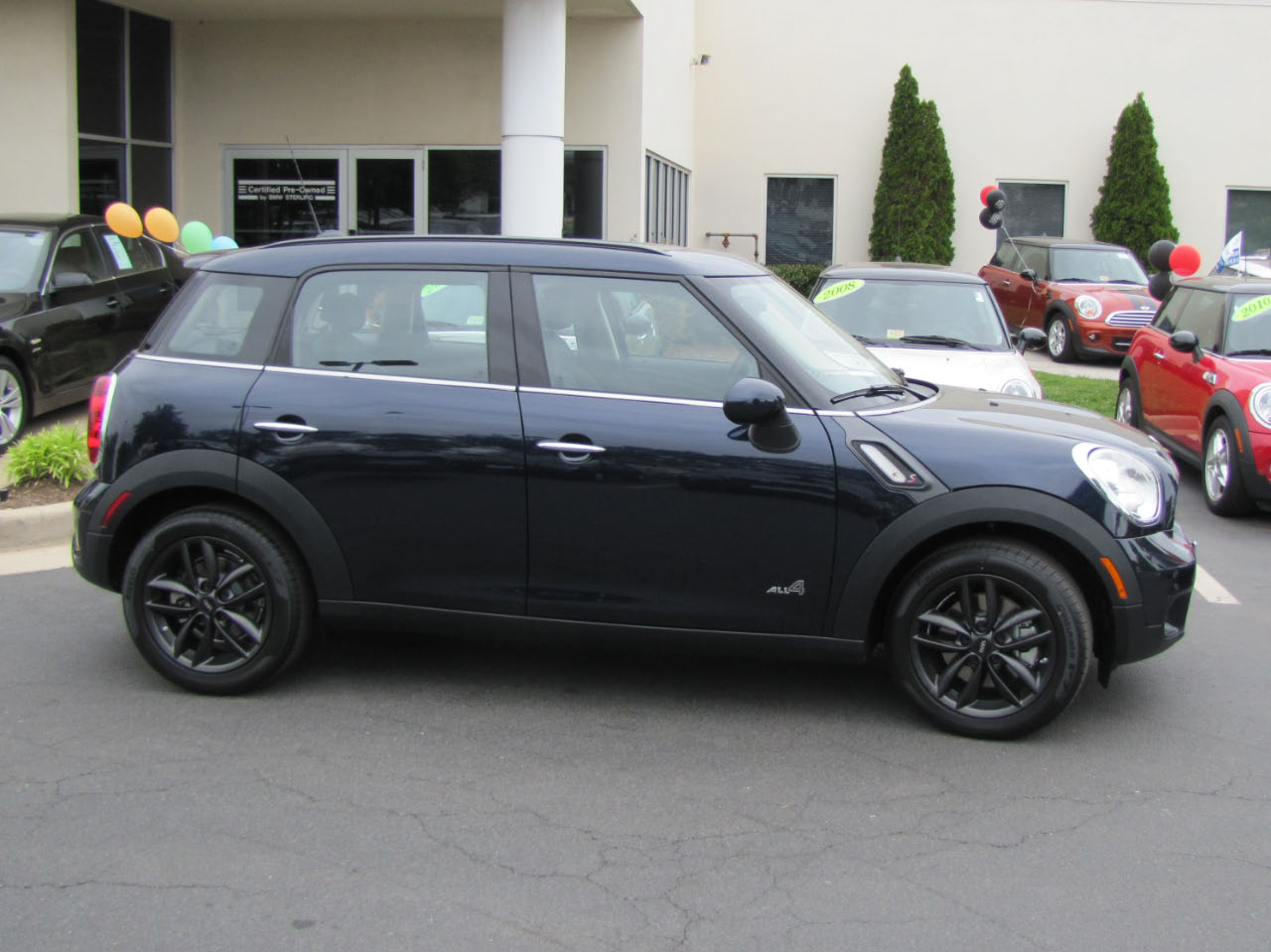
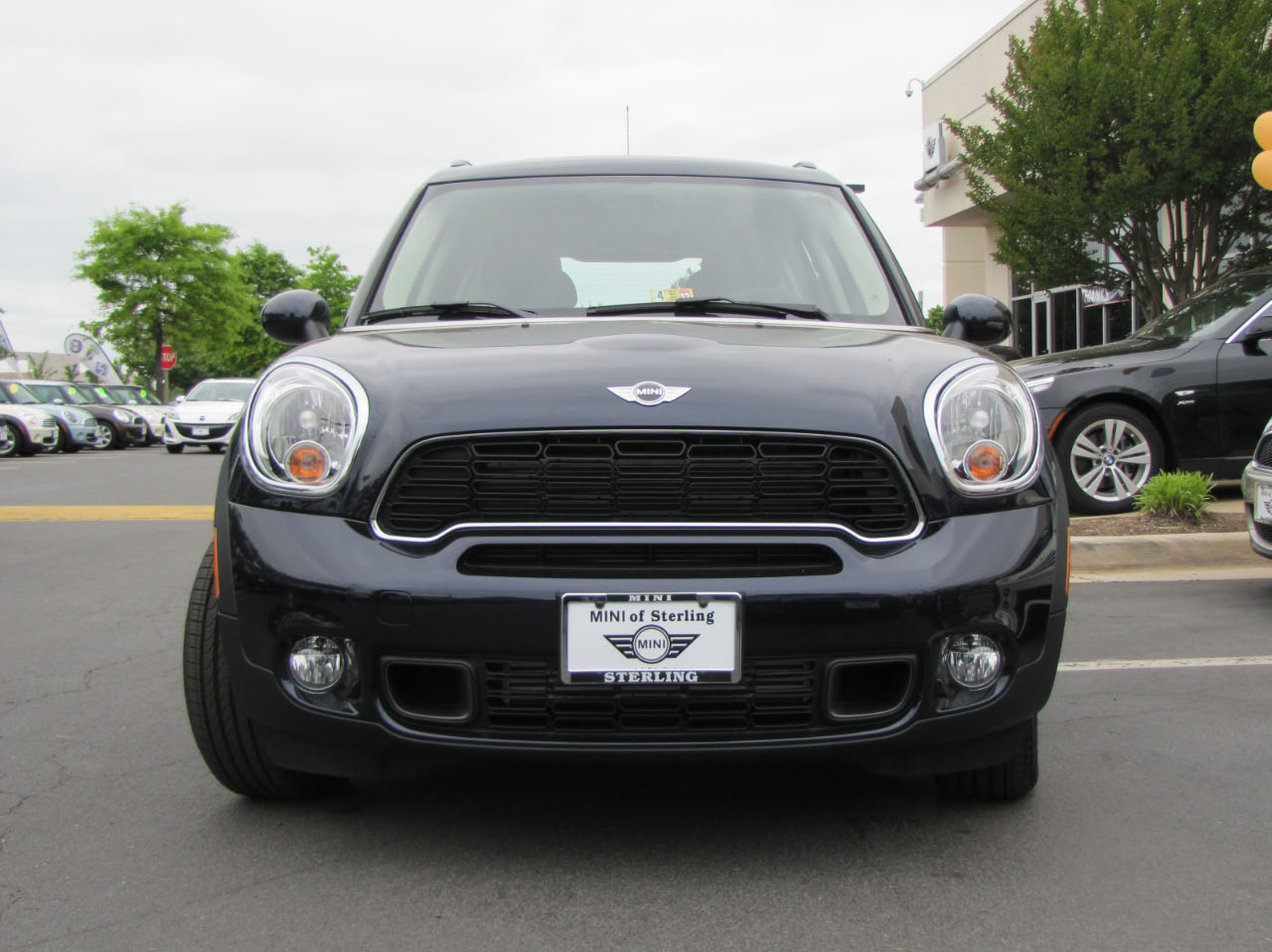
So, the follow-up to our recent barrage of test drives is this: we bought a ‘cosmic blue’ 2012 Mini Cooper S All-4 Countryman last weekend. They had one on the lot that was very close to our ideal specs, and were able to give us a bit of a deal (though not much, since Minis are all in high demand).

The Countryman, while still fairly small and Mini-esque, has four doors, four real seats, and all-wheel drive. And it drives like a charm, even when you keep it under 4,500 RPM (as recommended during the break-in period). More details and photos will follow later, but for now, enjoy this handful of shots from purchase day:

Saving Windows 8

So, I’ve been playing around with the Microsoft Windows 8 Consumer Preview, a pre-release version of Microsoft’s next flagship desktop operating system. The pundits and techies seem to be very critical of Microsoft’s direction, and with good reason, but I don’t think it’s quite as bad as it’s been made out to be. In fact, with a handful of relatively small changes, Microsoft could make Windows 8 really great.

Actually, Windows 8 already is really great . . . on tablets and small laptops. Oh, it has its rough edges (what do you expect from an early preview?), but on the small screen it’s a real pleasure to use. You see, the biggest change to Windows 8 is that Microsoft has made its ‘Metro’ interface—the tile-based system used on its surprisingly-good Windows Phone 7 mobile operating system—the primary way of interacting with the machine. When you’re navigating with your finger on a tablet, or even with a touch-pad on a notebook, Metro gives you a quick and easy way to move back and forth between apps, see an ‘overview’ of your incoming emails and schedule, and then move into an immersive single-app experience.

The included Metro apps—for email, calendars, weather, etc.—are obviously unfinished, but as the universe of Metro apps grows this will get better. It is obvious that the system has a lot of potential to give Apple’s iOS and Google’s Android a run for their money in the tablet space, if the hardware is up-to-snuff and if the development community rallies around the platform.

Apple: How Times Have Changed

In 2001, I bought my first Mac—a Power Mac G4 ‘Quicksilver’ 733mhz. It ran Mac OS X 10.0.4, which was still considered something of a ‘beta’ so the machine booted by default into the ‘classic’ Mac OS 9. Previously I had been running a Compaq with Windows 98, and as resident ‘tech support’ on my floor in the dorms I had plenty of unpleasant experience with 98 and its successor, Windows Me. I longed for a usable alternative to Windows, and found it in Mac OS X. Beta or not, it was clear that Apple was on to something great.

I was something of an early adopter back in ’01. Some people, including my freshman-year roommate, had been dedicated Mac users all through the platform’s dark ages in the mid-1990’s, but most techies and nerds had eschewed the ‘classic’ Mac platform during this time. Mac OS X—a powerful, Unix-based platform imbued with the Mac’s easy usability—changed that. During and after my ‘switcher’ period, lots and lots of my fellow techies switched too. But I still remember very, very clearly how few Macs there were in 2001. Even on a college campus, Apple’s traditional bastion, we were a tiny minority.

I was a dedicated Mac user for ten years. I switched back to Windows just over a year ago because Microsoft has improved their system enough that, in my humble opinion, Macs no longer warrant anything close to their fifty-percent-or-more price premium. But I still have a soft-spot for Mac OS X and its easy pairing of power and ease-of-use.

This weekend I have been attending a conference here in Northern Virginia, and I’ve seen first-hand more clearly than ever before just how drastically things have changed for Apple. Every single presenter at every session I’ve been to so far has been presenting from a MacBook Pro. The conference loans out iPads pre-loaded with a conference app instead of the old-fashioned conference binders. Among attendees who have been taking notes on their own equipment during sessions, I’d ballpark that upwards of fifty percent have been using MacBooks or iPads. And this isn’t even a vaguely Apple-related event; it’s focused primarily on Java application servers and general web development. Even so, the whole place is positively awash in MacBooks, iPads, and iPhones.

Of course there are notebooks, tablets, and phones from HP, Dell, Asus, Lenovo, Motorola, HTC, Samsung, and Nokia at the conference too. Get a bunch of techies together and you’ll get a whole mix of equipment on display. I even saw one guy holding an absurdly over-sized Samsung Galaxy Note phone (tablet?) with its 5.3″ display to his ear. But the single largest hardware presence is clearly and undeniably Apple, even if we don’t count the conference-provided iPads. This is noteworthy on its own, but when you consider that these are a bunch of Java and web developers in the notoriously stodgy government-dominated DC-area market, it’s downright incredible.

Oh, how times have changed.

Chuck Colson: Crime and Redemption

Chuck Colson (courtesy Wikimedia Commons)

I never met Charles “Chuck” Colson, who passed away this past Saturday at the age of 80 from brain hemorrhage complications. I have heard a lot about him from my father, however, who knew him and worked for a time at Colson’s BreakPoint. I also knew a bit about him because I’m a political junkie, and I’m fairly familiar with President Richard Nixon (R) and the Watergate scandal.

Serving as White House Special Counsel after Nixon was inaugurated in January 1969, Colson quickly earned a reputation as the administration’s ‘hatchet man.’ Writing in Slate in 2000, David Plotz described Colson as having been “Richard Nixon’s hard man, the ‘evil genius’ of an evil administration.” Colson himself wrote that, at the time, he was “valuable to the President . . . because I was willing . . . to be ruthless in getting things done.” According to Plotz, Colson’s over-the-top approach to politicking led him to recommend hiring Teamster thugs to beat up anti-war demonstrators, and to propose firebombing the non-profit Brookings Institution as a cover for stealing politically damaging documents.

Colson compiled the infamous ‘Nixon’s Enemies List.’ The cover memorandum to this list stated, in part, that it was meant to aid in “dealing with persons known to be active in their opposition to our Administration. Stated a bit more bluntly—how we can use the available federal machinery to screw our political enemies.”

He later became involved in the Committee to Re-Elect the President (CRP), an organization rife with money laundering and slush funds that ultimately executed the well-known break-in at Democratic Party headquarters in the Watergate complex. That incident and the subsequent cover-up nearly led to Nixon’s impeachment, but the president resigned before Congress had the chance.

Colson resigned from the Nixon White House in March 1973 to return to private law practice, and was indicted a year later for his involvement in the Watergate burglary and cover-up. Just as he was facing arrest for his crimes, Raytheon chairman Thomas Phillips gave him a copy of C. S. Lewis’s Mere Christianity, which inspired Colson to a religious conversion. He soon became an apparently-devout Christian believer. When news of this conversion came out, the cynical media generally chalked it up to a ploy by Colson to reduce his sentence—an assumption that I, admittedly, may have leaped to myself, if I had been politically-interested (and, um, alive) at the time.

Still Waiting for Android 4

Google released the software development kit for Android 4.0.1, also known as ‘Ice Cream Sandwich’ (ICS), on October 19, 2011—six months ago today. It is probably safe to assume that major Android device manufacturers had access to the code before then, and even if they didn’t the source was made publicly available less than a month later on November 14, 2011.

My Motorola Xoom FE (mz505), a mid-range tablet which Motorola has repeatedly promised would get the ICS update, is still running the badly outdated Android 3.1 . . . a version that isn’t even the newest release on the 3.x (‘Honeycomb’) series. The tablet is pretty basic and, like most Android tablets, runs a largely-unmodified version of the operating system. There is absolutely no reason that Motorola couldn’t roll out the update within 60 days of source code availability. The delay is inexcusable (and I have sent Motorola a strongly worded message to that effect).

Meanwhile, my Android phone—a Motorola Droid 2 Global—is similarly held-back by Motorola’s spectacularly poor post-sale OS updates. It is running the same Android 2.3.4 release that rolled out in March, more than ten months after that version was released by Google. Motorola has not committed to making Android 4 available for the Droid 2 Global, even though it was still being sold brand-new just one year ago, and seems unlikely to do so.

Motorola probably thinks that withholding OS updates will encourage people to upgrade. It might. But it won’t encourage me to upgrade to another Motorola device (especially since even the flagship Motorola RAZR isn’t running ICS yet either). No, this kind of lackluster support will just push me to competitors with more prompt upgrades—particularly the Nexus series of phones, and the rumored upcoming Google tablet.

Scott Bradford is a writer and technologist who has been putting his opinions online since 1995. He believes in three inviolable human rights: life, liberty, and property. He is a Catholic Christian who worships the trinitarian God described in the Nicene Creed. Scott is a husband, nerd, pet lover, and AMC/Jeep enthusiast with a B.S. degree in public administration from George Mason University.