
The music industry is rife with money, egos, and legal ambiguity, and it stands at the nexus between technology, business, and creativity. Every recording you hear on the radio has its ownership split a myriad of different ways. The song itself is typically owned by the songwriters who wrote it, while the recording of that song is owned by the performers who performed it, but one or the other (or both) have generally signed some or all of their rights away to one or more record companies.
And, of course, the companies are always merging, bands are always switching companies, people are joining and leaving bands, and all the big egos involved with all of this are always trying to push their rights to the limit for their own benefit. All of this makes for some of the dumbest lawsuits in history. Here are five of my favorites.
Rob Thomas Steals His Own Song
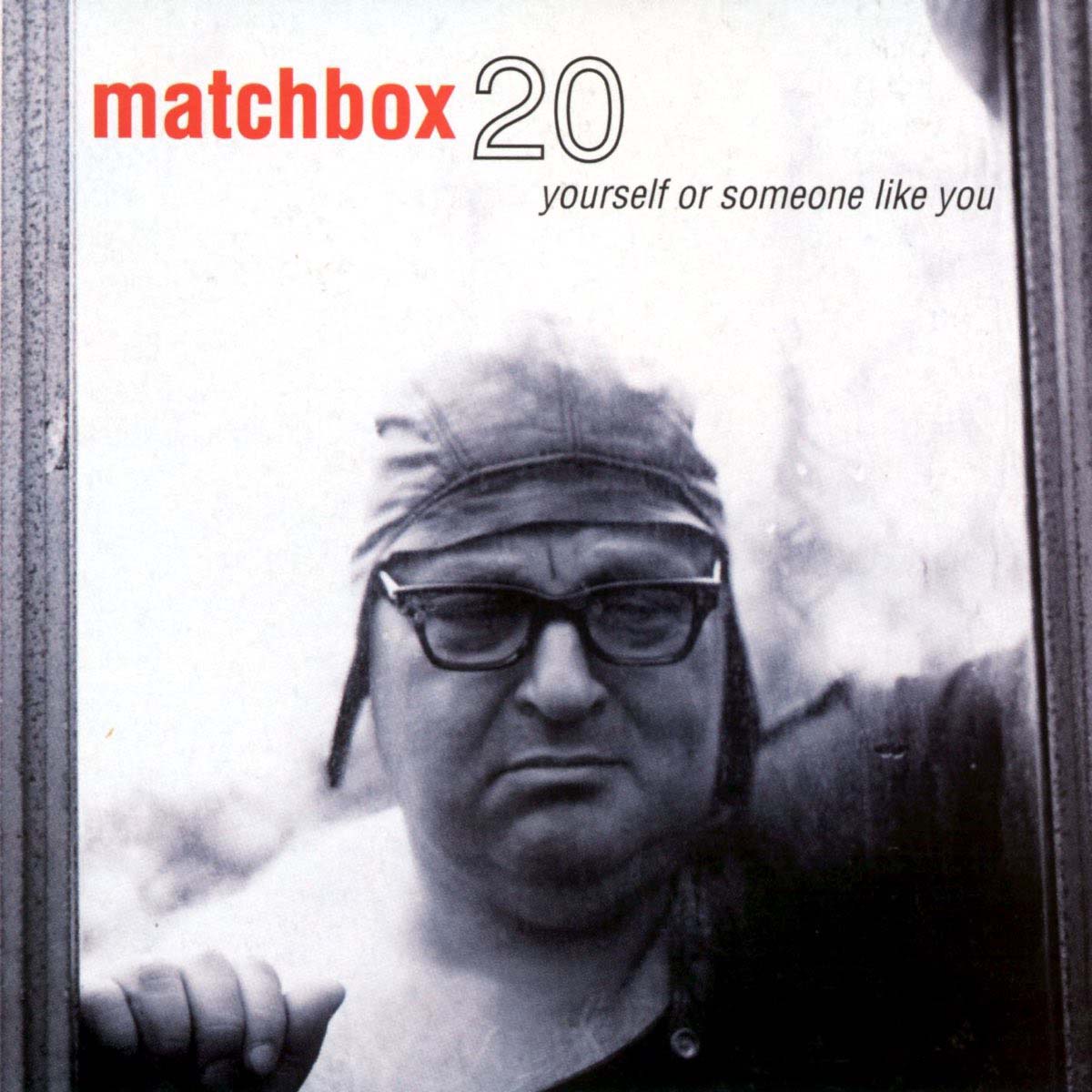
Before Rob Thomas rocketed to fame as the lead singer and songwriter behind Matchbox Twenty, he was part of an Orlando-based band called Tabitha’s Secret. One of the group’s best known tracks was called ‘3 a.m.,’ which was a Thomas composition about the frustration and loneliness he experienced when his mother was fighting life-threatening cancer. Needless to say, Thomas considered it to be a very, very personal song, and it is still a staple of his live performances today.
Tabitha’s Secret broke up when two of its members, Jay Stanley and John Goff, decided not to accept a record deal from Matt Serletic’s Melisma, a company associated with Atlantic Records. Rob Thomas and two of the band’s other members, Brian Yale and Paul Doucette, accepted the record deal and soon re-formed with two new members—Adam Gaynor and Kyle Cook. The new band was christened Matchbox Twenty and its debut album, Yourself or Someone Like You, went on to become one of the best selling albums of the 1990’s (and one of my personal favorites). One of the tracks on the new album was the aforementioned ‘3 a.m.,’ which Thomas re-recorded with his new band.
