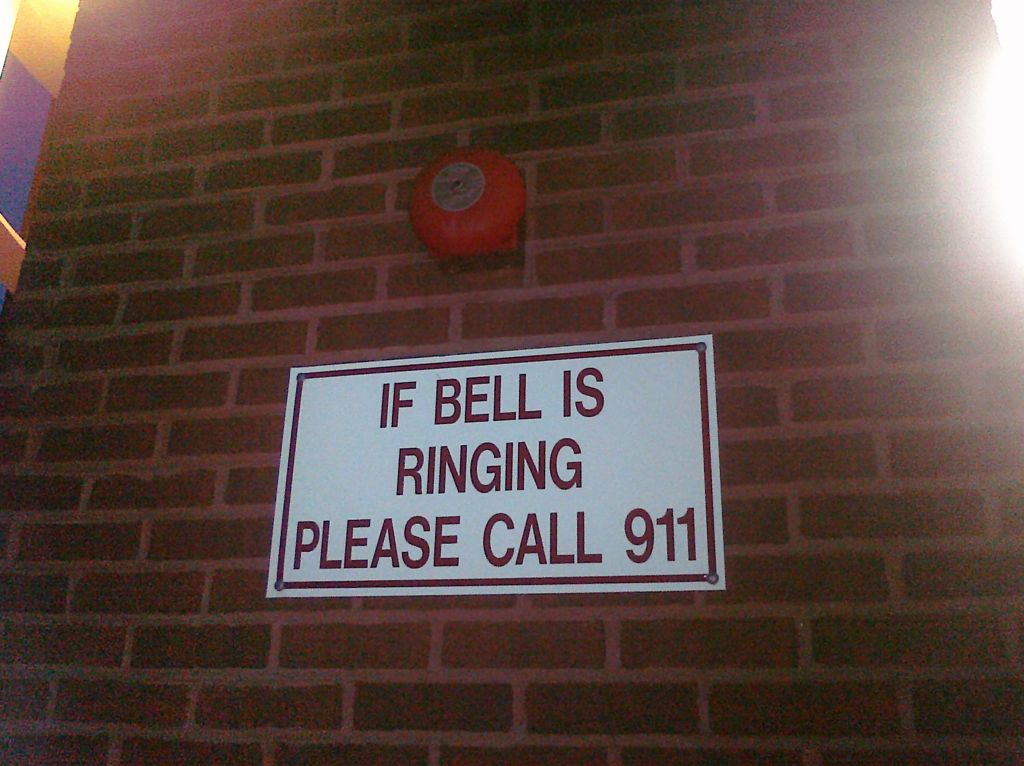
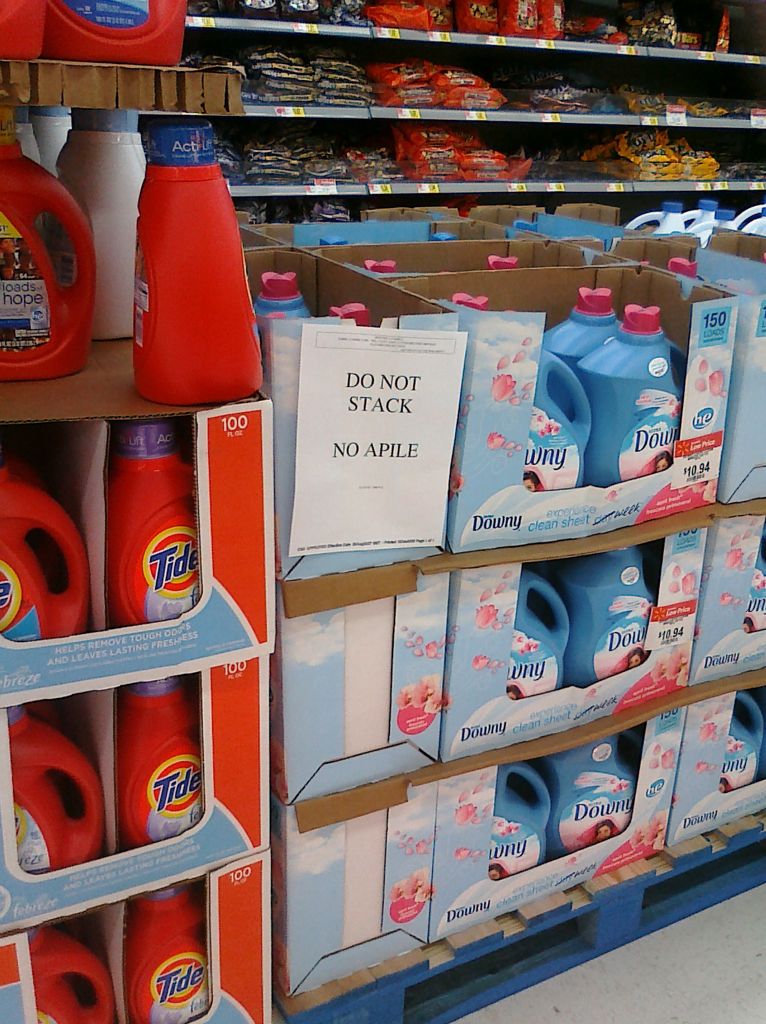
I wrote back in June about how our society seems to simply accept dishonorable behavior now. ‘Unlimited Internet’ doesn’t mean unlimited. ‘Right to health insurance’ means you have to buy it whether you want it or not. Swearing to ‘preserve, protect and defend the Constitution of the United States’ apparently only applies to whatever parts of the Constitution that particular politician likes. The list goes on and on, and nobody seems to say what they really mean anymore.
I ran across another dishonorable misrepresentation today—one we see all the time and never give a second thought to. I was watching Indiana Jones and the Last Crusade today and noticed a pretty standard statement nestled in the end credits:
The story, all names, characters[,] and incidents portrayed in this production are fictitious. No identification with actual persons, places, buildings[,] and products is intended or should be inferred.
Almost every movie has this statement, or something very similar, it its credits. We’ve grown blind to it. But, in this case and many others, it is a bald-faced lie. In one scene, Indiana Jones finds himself face-to-face with Adolf Hitler. Hitler, thinking Jones wants an autograph, signs ‘Adolf Hitler’ in Jones’s father’s Grail Diary. The bad guys in the movie are Nazis who wear Nazi uniforms. The city of Berlin is one of the places where the action supposedly takes place.
Are we to honestly believe that a Nazi leader in Berlin, in 1938, with an iconic mustache, and named Adolf Hitler is not ‘intended or should be inferred’ to be identified with the ‘actual person’ named Adolf Hitler? Or that his name is ‘fictitious?’ Are we to believe that the city of Berlin is not ‘intended or should be inferred’ to be identified with ‘actual place’ Berlin? Come on, give us a little credit! It’s obviously a fictional film, and there’s no harm in having a disclaimer in the credits, but at least write one that tells the truth.
I don’t mean to pick on this particular film. Almost every fictional film that makes reference to real-world celebrities, historical figures, movements, places, and events is ‘intended and should be inferred’ to refer to those very people, places, and events and yet carries a warning like this explicitly stating otherwise. That’s called a lie, and it’s another [admittedly minor] symptom of a society that no longer values accuracy and honesty.