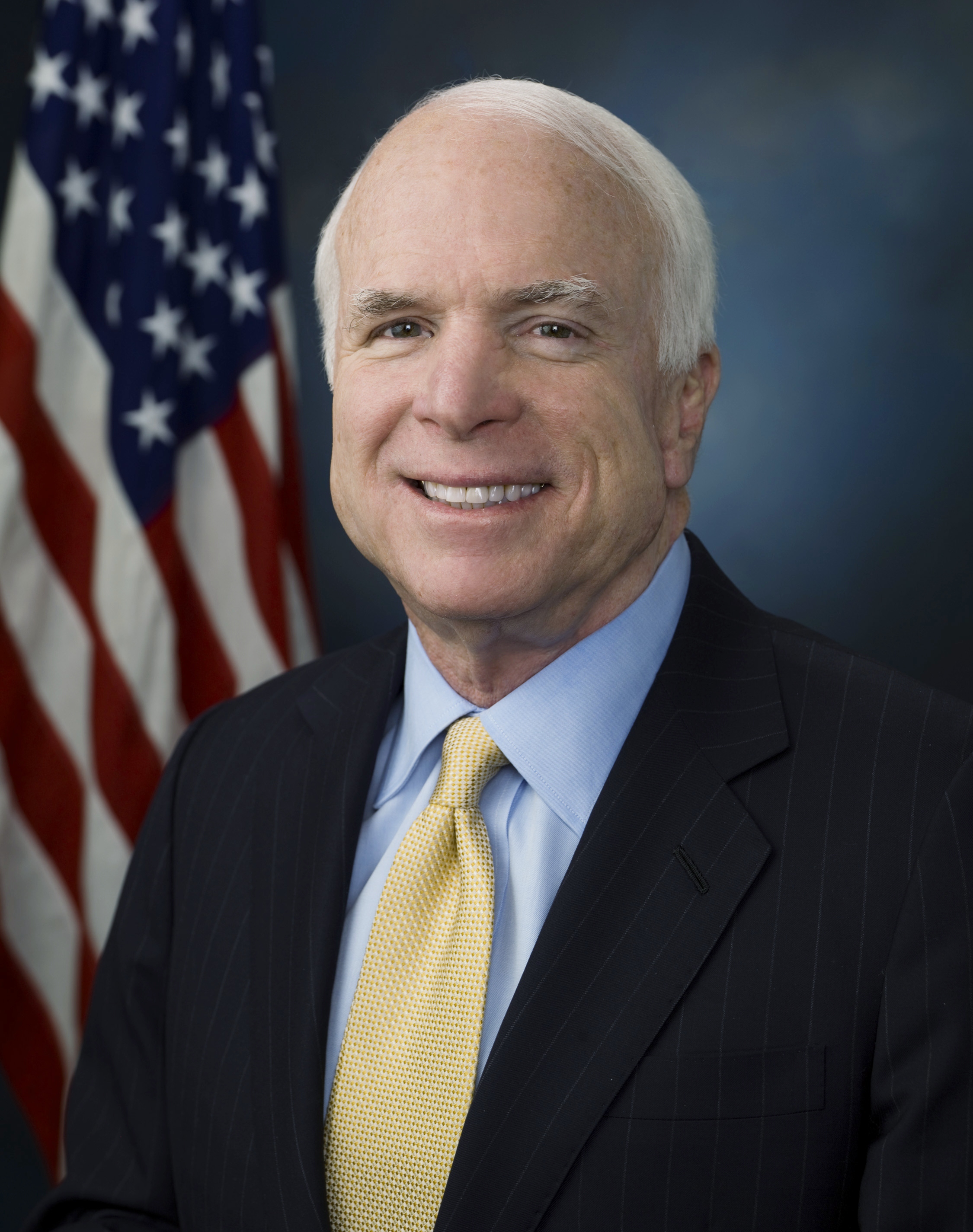
Justice Kennedy to Retire

Justice Anthony Kennedy

United States Supreme Court Justice Anthony Kennedy has announced he plans to retire effective July 31.

Kennedy was appointed by President Ronald Reagan (R) in 1987, and he took office in 1988 after a unanimous confirmation in the United States Senate. At the time of his confirmation, Kennedy was widely regarded by members of both major parties as a measured and fair jurist. In the decades since, he has often served as the “tie-breaker” in narrow 5-4 decisions that split the court’s “liberal” and “conservative” wings.

Kennedy has a mixed record on human and civil rights. Although he has typically ruled in support of free speech and the freedom of religion, and has ruled in favor of the right to keep and bear arms at least within the home, he also rules consistently against the fundamental right to life. In addition, Kennedy sided with the anti-rights majority in allowing governments to seize private property for private use (Kelo v. City of New London).

President Donald Trump (R) has the constitutional authority to nominate a replacement for Kennedy, and that nomination must be confirmed by the Senate. The court is currently tied with four “liberal” justices, four “conservative” justices, and Kennedy as the “swing vote.” If Trump makes a solidly conservative nomination, it would shift the ideological balance of the court to a narrow conservative majority.

DHS Active Shooter Poster

The U.S. Department of Homeland Security (DHS) offers a wealth of materials on Ready.gov to assist Americans in preparing for—and responding to—various kinds of emergencies. Among them is guidance for dealing with an active shooter situation: “RUN, HIDE, FIGHT.” If you ever find yourself in the middle of a shooting, DHS advises that you should “RUN and escape, if possible,” “HIDE, if escape is not possible,” and “FIGHT as an absolute last resort.”

It’s not bad advice. It’s punchy, much like the unforgettable guidance that we “STOP, DROP, and ROLL” if we ever find ourselves on fire. It is practical and smart. If you learn the details of DHS’s guidance and marry it to the punchy slogan, and then you remember and follow that guidance in an emergency, you will probably survive. But it is worth remembering that our government does not have a great track record in its guidance for dealing with rare and high-profile crimes. Advice that seems perfectly sane and rational can sometimes be harmful in situations that are by nature insane and irrational.

Before the terrorist attacks on September 11, 2001, federal Hijacking Survival Guidelines said, “Do not challenge the hijackers physically or verbally. Comply with their instructions. Do not struggle or try to escape unless you are absolutely certain of success.” It seemed like good advice at the time. And that’s exactly what the passengers on American Flight 11, United Flight 175, and American Flight 77 did. It’s what I almost certainly would have done too. And, with twenty-twenty hindsight, we now know it was the wrong thing to do.

Virginia Major Party Primaries, 2018

Primary elections for the Democratic and Republican parties will be held on June 12, 2018. Off on a Tangent is making recommendations to party primary voters in each contested state- and federal-level primary race in Virginia.

Political parties are private organizations that should not have any official standing in our political system, but Democratic and Republican primaries are held by the Virginia Department of Elections and are funded by Virginia taxpayers. The purpose of a party primary should be for members of that party to choose who will represent them on the general election ballot. Virginia, however, has an absurd “open primary” system where any registered voter may vote in any one (but not more than one) each year.

Both the Republican and Democratic parties are making some of their nominations at party conventions; this series of recommendations only applies to primaries and caucuses. The Libertarian Party, which currently qualifies as a major party under the Tangent style guide (section 10.70), nominates all of its candidates in party conventions and is not holding any primaries or caucuses.

New Political ‘Recommendation’ Series

Since 2004, I have published political endorsements (and occasional non-endorsements) here on Off on a Tangent for every general and special election in which I have been eligible to vote. These have been long-form, in-depth articles that feature a complete overview of the candidates or issues of the race and a detailed explanation of what choices I endorse and why. These endorsement articles will continue as before.

But beginning this year, I will be expanding my political coverage to include brief “recommendations” in races and elections beyond my typical endorsement scope.

Owning Plexus

Manifesto of an Employee-Owner

Owning Plexus

An Employee Stock Ownership Plan (ESOP) sounds great on paper, but how well does it work in practice? That depends on whether the company’s leaders embrace an ownership culture, trust their employee-owners, commit to big ideas, and make smart decisions.

In 2009, Scott Bradford was an employee-owner at Plexus Scientific Corporation, an ESOP that had gone badly awry. He tried to save it. He failed.

“Owning Plexus” was an unheeded warning—an effort to identify and solve the company’s problems before they became insurmountable. But while it may be too late for Plexus, it is not too late for other businesses to benefit from a renewed focus on a culture of ownership.

Buy Now for $0.99

Additional Information

Scott Bradford is a writer and technologist who has been putting his opinions online since 1995. He believes in three inviolable human rights: life, liberty, and property. He is a Catholic Christian who worships the trinitarian God described in the Nicene Creed. Scott is a husband, nerd, pet lover, and AMC/Jeep enthusiast with a B.S. degree in public administration from George Mason University.