
In 2006, Pope Benedict XVI was giving a speech at Regensburg University in Germany. The Holy Father’s focus that day was about the generally false idea of a ‘Holy War’, and in one small part of his speech he quoted from Byzantine Emperor Manual II Paleologos, a 14th century Christian:
“Show me just what Muhammad brought that was new and there you will find things only evil and inhuman, such as his command to spread by the sword the faith he preached.”
First and foremost, the words Emperor Paleologos spoke are, basically, true. If you don’t believe me, read the Qur’an. If you don’t believe the Qur’an, study the history of, spread of, and present state of Islam in the world. But regardless of the validity or invalidity of these words, Benedict XVI spoke them as a quote and never once in his speech in 2006 said he agreed with them or endorsed them.
As you might expect, much of the Islamic world flew into a tizzy . . . God forbid that somebody quote dispassionately from a 14th century leader who didn’t like Islam. Perhaps the words of Emperor Paleologos hit close to home?
The Holy Father, of course, apologized publicly for his speech having been grossly misunderstood, but much Muslim anger (likely a manifestation of preexisting hatred) continued seething. Even today, Pope Benedict XVI is being roundly criticized in the Muslim world for quoting somebody else’s words three years ago—words that most thinking, analytic students of Islamic history don’t really have any strong objection to. Many Muslims are still demanding an apology for nothing more than honest, open discussion of the Islamic faith and Islamic history.
This illustrates one simple thing: modern, mainstream Islam is so utterly insecure about itself that it cannot permit honest, innocuous discussion that isn’t laudatory and supportive.
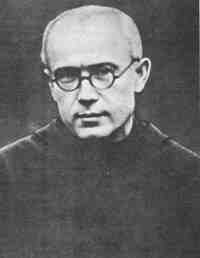 In Catholic tradition, people entering the church are confirmed in the name of their selected patron saint. The whole concept of patron saints is somewhat foreign to most Christians outside of the Catholic church. The idea is basically that a patron saint—a holy person recognized by the Church as a saint—is one who can act as an intercessor on your behalf in heaven. You can pray to your patron (or any saint, for that matter) and ask for their assistance much like you can ask your friends and family to pray for you in time of need.